

Introduction
Waste management is a critical aspect of modern society, with the need for effective and efficient solutions becoming increasingly pressing. One of the key innovations in waste disposal vehicles is the vacuum truck, a versatile and powerful machine that has revolutionized the way waste is collected and transported. In this article, we will explore the various features, benefits, and applications of vacuum truck waste disposal vehicles, highlighting their importance in modern waste management practices.
History and Evolution of Vacuum Trucks
Vacuum trucks, also known as vacuum tankers or suction excavators, have a long history dating back to the early 20th century. The first vacuum truck was developed in the 1920s and was primarily used for cleaning sewers and removing sludge and debris from industrial sites. Over the years, vacuum trucks have evolved significantly in terms of design, technology, and functionality, becoming indispensable tools in the waste management industry.
Today, vacuum trucks come in various sizes and configurations to suit different applications and industries. They are equipped with powerful vacuum pumps that create suction to extract liquids, sludge, and solids from a wide range of sources, including septic tanks, grease traps, industrial tanks, and construction sites. Vacuum trucks are commonly used by municipalities, sanitation departments, industrial facilities, and construction companies to collect and transport various types of waste materials safely and efficiently.
Key Features and Components of Vacuum Trucks
Vacuum trucks are equipped with several key features and components that enable them to perform a wide range of waste management tasks effectively. Some of the essential components of a vacuum truck include:
1. Vacuum Pump: The heart of a vacuum truck is the vacuum pump, which creates suction to extract waste materials from the source. The vacuum pump can vary in size and capacity, depending on the specific requirements of the application.
2. Storage Tank: Vacuum trucks are equipped with a storage tank, typically made of steel or aluminum, to hold the waste materials collected during the suction process. The size of the storage tank can vary, with larger tanks used for high-volume waste collection.
3. Hose and Suction Nozzle: Vacuum trucks are equipped with a flexible hose and suction nozzle that are used to connect to the source of waste material. The suction nozzle is designed to create a tight seal to ensure efficient extraction of waste materials.
4. Control Panel: Vacuum trucks are equipped with a control panel that allows the operator to monitor and control various functions of the vehicle, such as the vacuum pump operation, tank levels, and pressure settings.
5. Filtration System: To prevent contaminants and debris from entering the vacuum pump and storage tank, vacuum trucks are equipped with a filtration system that removes solids and liquids from the extracted waste material.
Applications of Vacuum Truck Waste Disposal Vehicles
Vacuum trucks are versatile machines that can be used in a wide range of waste management applications. Some of the key applications of vacuum truck waste disposal vehicles include:
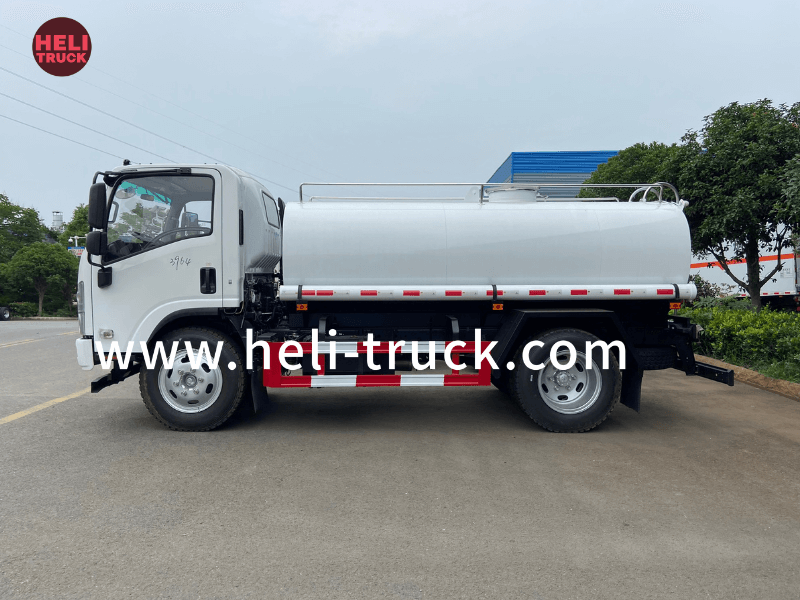
1. Septic Tank Cleaning: One of the most common uses of vacuum trucks is for cleaning septic tanks and cesspools. Vacuum trucks can safely and efficiently remove sludge, scum, and other waste materials from septic systems, preventing backups and maintaining proper functioning.
2. Grease Trap Cleaning: Restaurants, food processing facilities, and commercial kitchens often use vacuum trucks to clean grease traps and interceptors. Vacuum trucks can remove grease, oils, and food solids from grease traps, preventing blockages and ensuring compliance with environmental regulations.
3. Industrial Waste Removal: Vacuum trucks are used in industrial facilities to remove various types of waste materials, such as liquids, sludge, and chemicals. Vacuum trucks can safely transport hazardous waste materials to treatment facilities for proper disposal.
4. Construction Site Cleanup: Vacuum trucks are commonly used in construction sites to clean up debris, mud, and other waste materials. Vacuum trucks can quickly and efficiently remove construction waste, helping to maintain a clean and safe work environment.
Benefits of Vacuum Truck Waste Disposal Vehicles
Vacuum trucks offer several key benefits that make them indispensable tools in waste management practices. Some of the main benefits of vacuum truck waste disposal vehicles include:
1. Efficiency: Vacuum trucks are highly efficient machines that can quickly and effectively remove waste materials from various sources. The powerful suction capabilities of vacuum trucks allow for fast and thorough waste removal, minimizing downtime and increasing productivity.
2. Versatility: Vacuum trucks are versatile machines that can be used in a wide range of waste management applications. Whether it's cleaning septic tanks, grease traps, or industrial tanks, vacuum trucks can handle a variety of waste materials with ease.
3. Environmental Friendliness: Vacuum trucks are designed to be environmentally friendly, with advanced filtration systems that prevent contaminants from entering the environment. By safely collecting and transporting waste materials, vacuum trucks help minimize the impact on the environment.
4. Cost-Effectiveness: Vacuum trucks offer a cost-effective solution for waste management, reducing the need for manual labor and multiple vehicles. The efficiency and versatility of vacuum trucks help save time and money, making them a smart investment for businesses and municipalities.
Future Trends and Innovations in Vacuum Truck Technology
As the demand for efficient waste management solutions continues to grow, the vacuum truck industry is also evolving to meet the changing needs of the market. Some of the future trends and innovations in vacuum truck technology include:
1. Automated Systems: The integration of automated systems and robotics in vacuum trucks is expected to increase efficiency and safety in waste management operations. Automated systems can help streamline processes, reduce human error, and improve overall performance.
2. Garbage Compactor Truck : Future vacuum trucks are likely to feature advanced filtration technology that can handle a wider range of waste materials and contaminants. Improved filtration systems will enhance environmental protection and compliance with regulations.
3. Energy-Efficient Designs: Manufacturers are focusing on developing energy-efficient vacuum trucks that reduce fuel consumption and emissions. Energy-efficient designs can help lower operating costs and minimize the environmental impact of waste management operations.
Conclusion
Vacuum truck waste disposal vehicles play a critical role in modern waste management practices, offering efficiency, versatility, and environmental friendliness. With their powerful suction capabilities and advanced features, vacuum trucks have revolutionized the way waste is collected and transported, making them indispensable tools for municipalities, businesses, and industries worldwide. As technology continues to advance, we can expect to see further innovations in vacuum truck technology that will further enhance their performance and sustainability in the future.